
 Appediet
Healthy No-Reheat Lunch Ideas for Meal Prep
No microwave does not have to mean a dry sandwich or an improvised snack pile. Use a flexible meal formula, protect texture, and keep perishable foods safely cold for a lunch that works at school, work, travel, or a busy day.
Build a no-reheat lunch from a protein food, produce, a grain or other satisfying carbohydrate, flavor, and an optional extra. Prep components instead of five identical meals, separate wet ingredients, and use an insulated bag with adequate cold sources for anything perishable.
This guide covers general healthy-eating and food-safety practices. Follow ingredient labels, local school or workplace allergy rules, and individualized advice for medical conditions.
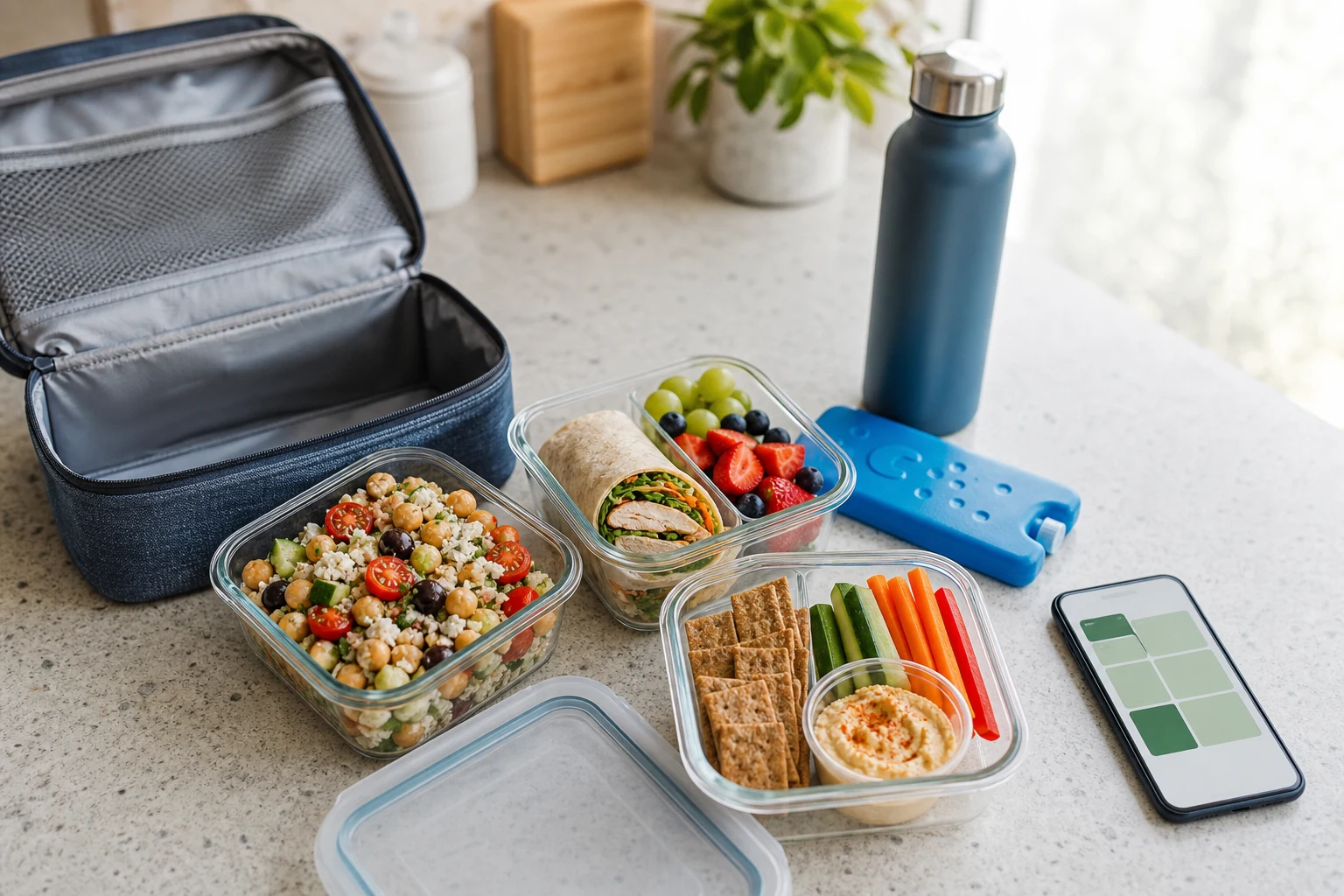
Combine protein food, produce, carbohydrate, flavor, and an optional extra rather than chasing a perfect recipe.
Cook grains and proteins, wash produce, and portion dressings so you can assemble different lunches quickly.
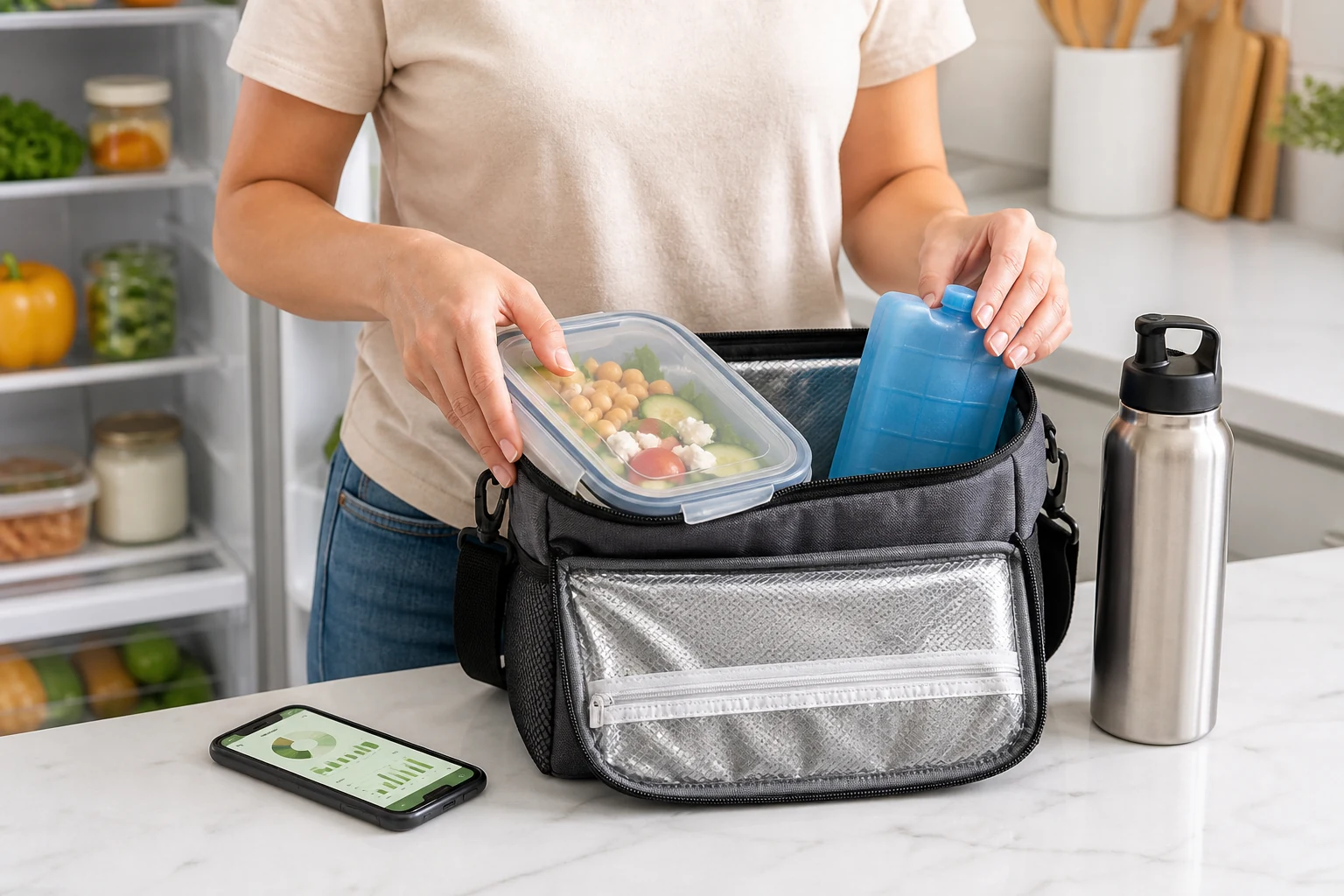
Use an insulated bag and at least two cold sources for perishables when a refrigerator is unavailable.
Why no-reheat lunches are timely in August
Google reports that U.S. interest in common back-to-school items spikes annually around the beginning of August. That seasonal return to school, work routines, commuting, and packed schedules creates a practical search need: lunches that can be prepared ahead and eaten without depending on a microwave.
Google Trends Explore did not provide a stable, reproducible weekly U.S. index for “healthy no-reheat lunch ideas” during the August 12 check, so this article does not claim an exact trend score. The timing is based on Google’s dated U.S. back-to-school search reporting, while the nutrition and safety guidance comes from CDC, MyPlate, USDA FSIS, and FoodSafety.gov.
“Cold lunch” does not mean leaving perishable food at room temperature. If the meal includes yogurt, eggs, cooked grains, meat, fish, cut produce, hummus, leftovers, or other refrigerated items, keep it cold according to food-safety guidance.
The five-part no-reheat lunch formula
| Part | Examples | What it contributes |
|---|---|---|
| 1 Protein food | Beans, lentils, tofu, eggs, yogurt, cheese, chicken, tuna, salmon, hummus | Structure for the meal and a range of nutrients; choose variety across the week. |
| 2 Produce | Whole fruit, berries, tomatoes, cucumber, carrots, cabbage, greens | Color, texture, fiber, vitamins, minerals, and volume. |
| 3 Carbohydrate | Whole-grain bread, pita, crackers, pasta, quinoa, brown rice, corn, potatoes | Energy and a base that can turn snack components into lunch. |
| 4 Flavor | Vinaigrette, pesto, salsa, herbs, olives, pickles, spices, citrus | Makes repeated ingredients feel different; pack wet sauces separately. |
| 5 Optional extra | Nuts, seeds, avocado, yogurt dip, a small dessert, preferred beverage | Personalizes satisfaction, taste, and the meal’s size. |
The formula is a planning tool, not a rule. A bean-and-grain salad may already combine several parts. A wrap plus fruit may be complete enough for one person and need yogurt for another. Adjust amounts for appetite, age, activity, schedule, and the time until the next meal.
Twelve healthy no-reheat lunch ideas
1. Mediterranean chickpea grain salad
Combine chickpeas, cooled quinoa or another grain, cucumber, tomato, herbs, and feta if desired. Pack lemon-olive-oil dressing separately to keep the vegetables crisp.
2. Chicken crunch wrap
Use cooked chilled chicken, shredded cabbage, carrots, greens, and a whole-grain wrap. Keep a yogurt-based sauce or vinaigrette in a small leak-resistant cup.
3. Hummus lunch box
Pack hummus, sturdy vegetables, whole-grain crackers or pita, fruit, and an optional egg or cheese. Portion crackers away from moist foods.
4. Lentil pesto pasta salad
Toss cooled pasta with lentils, cherry tomatoes, arugula, and a modest amount of pesto. Add a squeeze of lemon at lunch to refresh the flavor.
5. Tuna white bean salad
Mix tuna with white beans, celery, herbs, lemon, and olive oil. Serve with whole-grain crackers and fruit; check canned and pouch sodium when comparing products.
6. Tofu sesame noodle jar
Layer dressing at the bottom, then firm vegetables, chilled noodles, baked tofu, and greens on top. Shake into a bowl just before eating.
7. Greek yogurt savory bowl
Pack plain Greek yogurt with cucumber, tomato, herbs, olive oil, and whole-grain pita. Keep crunchy toppings separate.
8. Egg and avocado sandwich kit
Carry chilled cooked egg, whole-grain bread, sliced vegetables, and avocado or spread in separate compartments. Assemble at lunch to protect texture.
9. Black bean corn salad
Combine beans, corn, peppers, tomatoes, cilantro, and lime. Add cheese, pumpkin seeds, or a tortilla according to preference and meal size.
10. Salmon cucumber rice bowl
Use safely cooled cooked rice, canned or cooked chilled salmon, cucumber, edamame, and a separate sauce. Keep cold continuously and eat within safe storage windows.
11. Peanut soba and vegetables
Toss chilled noodles with edamame, cabbage, carrots, and a peanut or seed-butter sauce. Confirm allergy policies for shared school and workplace spaces.
12. Leftover snack plate
Combine safe leftovers in small portions: cooked chicken or tofu, roasted vegetables, fruit, crackers, and dip. This works best when each component still has good texture and has been stored safely.
A 45-minute component-prep workflow
- Choose two lunch structures. For example, salad plus wrap—not five unrelated recipes.
- Cook one base and one protein. Cool cooked foods promptly in shallow containers before refrigerating.
- Prepare sturdy produce. Wash and dry thoroughly; keep delicate greens separate from cut juicy vegetables.
- Mix two flavors. A lemon-herb dressing and a sesame sauce can make the same components feel different.
- Portion only what holds well. Leave bread, crackers, avocado, and delicate toppings for the night before or morning.
- Label dates. Plan the earliest-use lunches around the most perishable ingredients.
Component prep reduces waste because one ingredient can move between formats. Chickpeas can appear in a grain salad, a hummus box, or a wrap. Cabbage can add crunch to noodles, wraps, and bean salads without wilting as quickly as delicate greens.
How to keep a no-reheat lunch safe
USDA FSIS recommends at least two cold sources for a perishable bag lunch away from refrigeration. Two frozen gel packs can work, or one frozen gel pack can be paired with a frozen juice box or water bottle. Place cold sources above and below perishable food.
- Start with food that is already thoroughly chilled—not warm food placed directly into the lunch bag.
- Use clean hands, counters, boards, utensils, and leak-resistant containers.
- Keep raw meat preparation separate from ready-to-eat lunch components.
- Refrigerate the lunch on arrival when a refrigerator is available; leave the insulated bag open in the refrigerator so cold air can circulate.
- Do not leave perishable food at room temperature for more than two hours, or one hour above 90°F (32°C).
- Use cooked leftovers within four days unless a shorter product-specific limit applies.
- Do not taste food to decide whether questionable time or temperature was safe.
People who are pregnant, age 65 or older, younger than five, or immunocompromised have higher risk from foodborne illness and should follow additional FoodSafety.gov precautions.
How to prevent soggy, watery, or tired lunches
- Cool before sealing. Steam trapped in a closed container turns into condensation.
- Dry produce well. A salad spinner or clean towel helps dressings adhere and slows wilting.
- Keep wet ingredients separate. Dressings, salsa, tomatoes, pickles, and fruit juices can soften grains and bread.
- Choose sturdy vegetables. Cabbage, carrots, snap peas, peppers, and cucumber often travel better than delicate greens.
- Use barriers. Cheese, greens, or spreads can separate moist fillings from bread when appropriate.
- Pack crunch last. Nuts, seeds, crackers, and toasted toppings should stay in their own compartment.
- Refresh at lunch. Citrus, herbs, pepper, or a small portion of sauce can revive chilled flavors.
How Appediet can make repeat lunches easier
Appediet can turn component prep into a reusable log. Photograph the assembled lunch, review the detected foods and portions, add invisible ingredients such as dressing or oil, and save the corrected combination. For a jar or wrap, manual components may be more reliable than a single photo because layers hide ingredients.
Build a small library with names that reflect the workflow—“chickpea salad base,” “chicken crunch wrap,” and “hummus lunch box”—then duplicate and edit only what changes. This keeps tracking proportional to the meal instead of rebuilding every cucumber slice from scratch.
Use AppeChat to brainstorm swaps from what is already prepared, but treat suggestions as general ideas. Food safety, allergies, clinical nutrition, and individual treatment plans require authoritative instructions and, when appropriate, qualified professional care.
Bottom line
A healthy no-reheat lunch is less about a perfect recipe than a reliable system: flexible food-group components, enough food for the schedule, texture protected until lunchtime, and perishable items held safely cold. Prep a few versatile parts, assemble two or three formats, and adjust from what you actually eat.
FAQ
What makes a lunch safe to eat without reheating?
A no-reheat lunch still needs safe temperature control. Perishable food should stay at 40°F (4°C) or below. USDA recommends an insulated lunch bag with at least two cold sources when refrigeration is not available, with cold sources placed above and below perishable items.
How long can a packed lunch sit at room temperature?
Perishable food should not remain at room temperature for more than two hours, or one hour when the temperature is above 90°F (32°C). When in doubt about time or temperature, discard the food rather than tasting it to test safety.
What can I pack if I do not have a refrigerator?
Use an insulated bag and adequate cold sources for perishable foods. Some shelf-stable options include whole fruits and vegetables, unopened canned or pouch foods that are labeled shelf-stable, peanut butter, breads, crackers, nuts, and seeds. Follow package storage directions.
How can I stop cold meal-prep lunches from getting soggy?
Keep wet ingredients and dressings separate, cool cooked ingredients before sealing, use sturdy vegetables and grains, wrap sandwiches tightly, and assemble delicate components close to eating time when possible.
Can I use Appediet to track a meal-prep lunch?
Yes. Photograph the assembled lunch or log components individually, then correct portions and save the meal as a repeat. Photo results are estimates, especially for hidden dressing, oil, spreads, and layered fillings.
Save the lunches that work on busy days
Use Appediet to capture an assembled lunch, correct hidden ingredients, save repeat components, and adapt the same prep into different meals across the week.
Download Appediet